
Mental health is no longer a hidden conversation—it is a necessary one. Across Africa, more individuals, communities, and organizations are beginning to recognize that there is no health without mental health. Yet, despite this growing awareness, stigma, misinformation, and limited access to support continue to affect millions.
At Memory Mosaics Africa, we believe that every story matters, every mind deserves care, and every person should feel seen, heard, and supported.
What is Mental Health?
Mental health is more than the absence of illness. It is the ability to cope with life’s challenges, maintain meaningful relationships, and function productively. It includes emotional, psychological, and social wellbeing.
Everyone has mental health just like physical health. And just like physical health, it requires attention, care, and understanding.
The Reality in African Communities
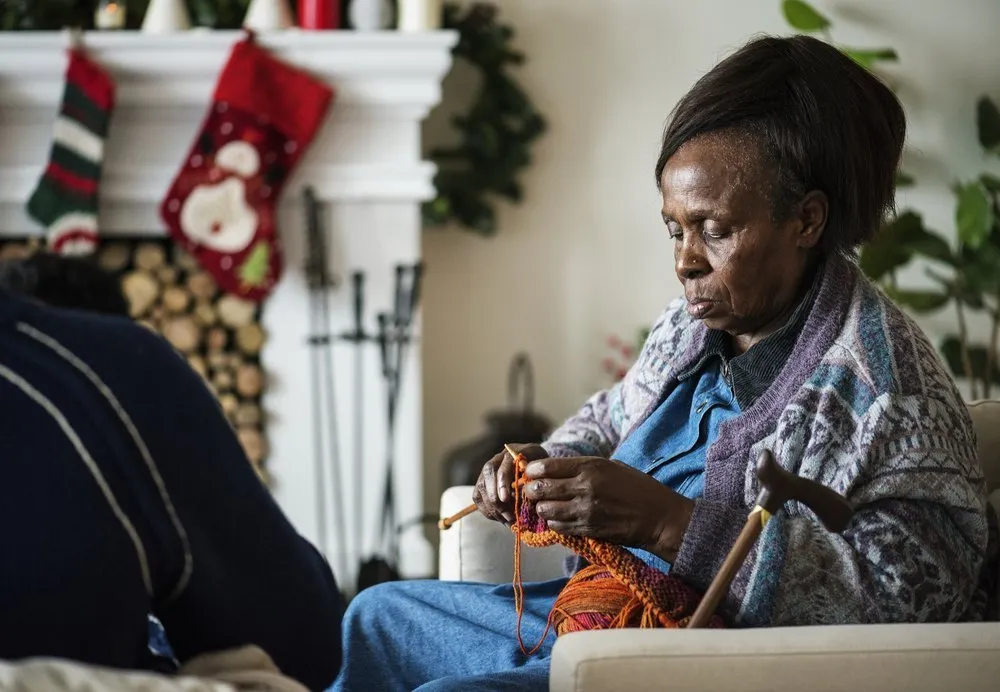
In many African societies, mental health is still misunderstood. Conditions such as anxiety, depression, and trauma are often dismissed or attributed to cultural or spiritual causes. This leads many people to suffer in silence.
Research shows that:
- Mental health challenges in Uganda and across Africa are often linked to economic stress, social pressures, and life experiences
- Stigma remains one of the biggest barriers to seeking help
This silence can be dangerous. When people feel they cannot speak, they cannot heal.
Why Mental Health Awareness Matters
Raising awareness is not just about education it is about saving lives and improving quality of life.
When mental health is prioritized:
- People seek help earlier
- Communities become more supportive
- Productivity and relationships improve
- Suicide and severe mental health crises can be reduced
Organizations across Africa are already doing incredible work through community outreach, safe spaces, and counseling programs to make mental health support more accessible .
Breaking the Stigma
Stigma thrives in silence. Breaking it requires:
- Open conversations
- Education in schools and workplaces
- Community based support systems
- Sharing personal stories
At Memory Mosaics Africa, storytelling is powerful. When one person speaks, others find the courage to do the same.
Simple Ways to Take Care of Your Mental Health
You don’t need to wait for a crisis to care for your mental well-being. Here are simple, practical steps:
1. Talk about your feelings
Sharing reduces emotional burden.
2. Stay connected
Relationships are key to emotional resilience.
3. Take breaks from stress
Rest is not a luxury—it’s a necessity.
4. Practice self-care
Sleep, nutrition, and exercise matter.
5. Seek professional help when needed
Therapy and counseling are signs of strength, not weakness.
The Role of Community
Mental health is not an individual issue—it is a community responsibility.
In Uganda and across Africa, initiatives are increasingly focusing on:
- Community dialogues
- Youth engagement programs
- Workplace wellness
- Culturally sensitive mental health approaches
Healing happens faster when people feel supported.
Our Mission at Memory Mosaics Africa
At Memory Mosaics Africa, we are building a platform where mental health conversations are normalized and accessible. We aim to:
- Share real stories and experiences
- Educate communities about mental well-being
- Encourage open dialogue
- Provide resources and guidance
We believe that healing begins with understanding—and understanding begins with conversation.
Final Thoughts
Mental health is not a luxury. It is a fundamental part of human life.
Africa is rising—not just economically and socially—but emotionally and mentally as well. By breaking stigma, educating communities, and supporting one another, we can create a future where mental health is respected, prioritized, and nurtured.
Your story matters. Your mind matters. You matter.